Tracing Provider Adjustments to Prize Pool Distributions When Live Tables Meet Digital Wallet Options in Regulated Mobile Environments
Theo Werner · Oct 14, 2026
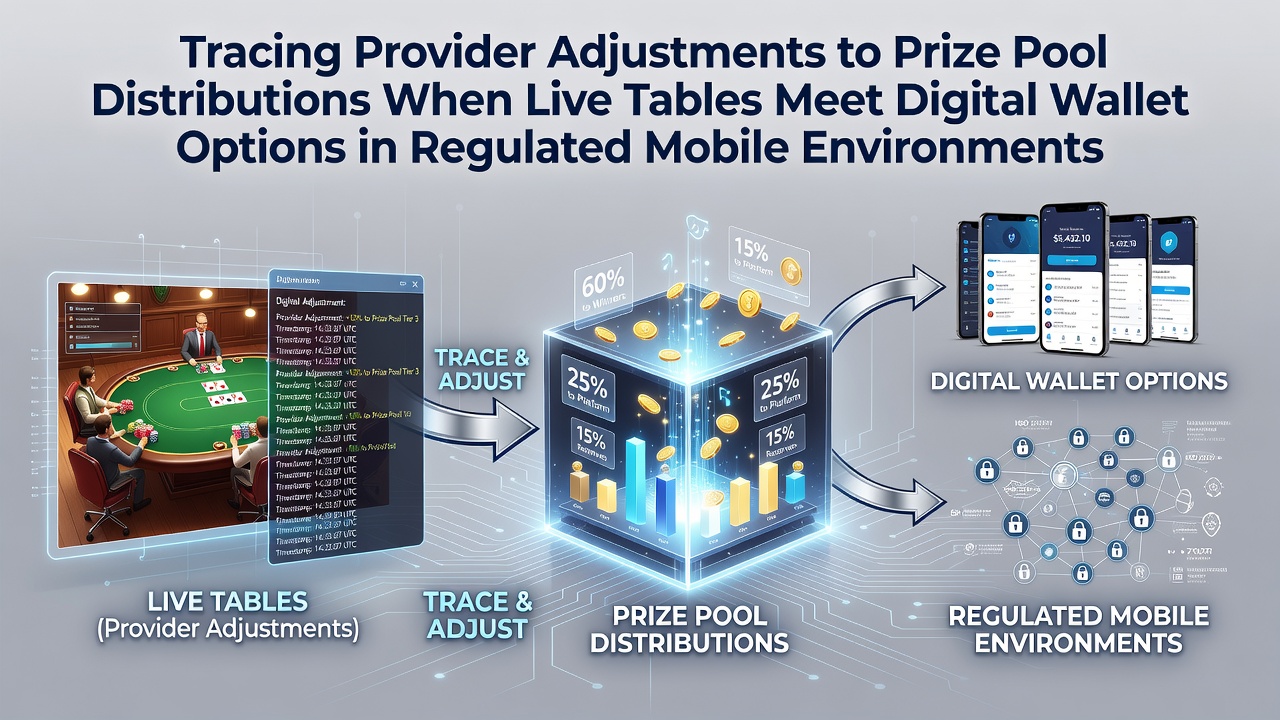
Tracing Provider Adjustments to Prize Pool Distributions When Live Tables Meet Digital Wallet Options in Regulated Mobile Environments
Providers in regulated mobile gaming environments track prize pool distributions through layered systems that connect live dealer tables directly to digital wallet transaction streams, and this integration requires constant recalibration of contribution rates, payout triggers, and reserve allocations to maintain compliance across jurisdictions. Data from multiple regulatory filings indicate that adjustments occur most frequently when transaction verification times drop below three seconds, which is common with certain e-wallet providers operating in mobile applications.
Regulatory Requirements Driving Recalibrations
Authorities in several regions mandate that operators document every adjustment to progressive and fixed prize pools whenever digital wallet funding sources change, and these rules have tightened since mid-2025. Observers note that October 2026 will mark the enforcement date for updated reporting standards in multiple European and North American markets, requiring providers to submit automated logs that link each wallet deposit to its corresponding contribution to live table prize pools. Research indicates that such requirements stem from efforts to prevent discrepancies between player-funded amounts and distributed winnings, especially when wallets support instant transfers across borders.
Technical Integration Points
Live table software interfaces with digital wallet APIs through secure middleware layers that record contribution percentages in real time, while separate audit modules flag any variance exceeding 0.05 percent of the pool total. Those who have examined these systems report that providers often recalibrate reserve percentages upward when wallet providers introduce new verification protocols, because slower confirmation cycles can delay the crediting of contributions to the central pool. Figures from industry reports reveal that average adjustment cycles now run between 48 and 72 hours following a wallet update, down from the 120-hour windows observed in 2024.
Wallet-Specific Contribution Rules
Different digital wallet categories trigger distinct contribution formulas for live table prize pools, and providers maintain separate tracking ledgers for each category to satisfy jurisdictional audits. Studies show that instant bank transfer wallets typically feed into pools at the standard 1.5 to 2.5 percent rate, whereas certain prepaid digital options route through an intermediate holding account that delays contribution by one full game round. This delay forces providers to adjust the timing of pool snapshots so that progressive meters reflect only fully cleared funds.
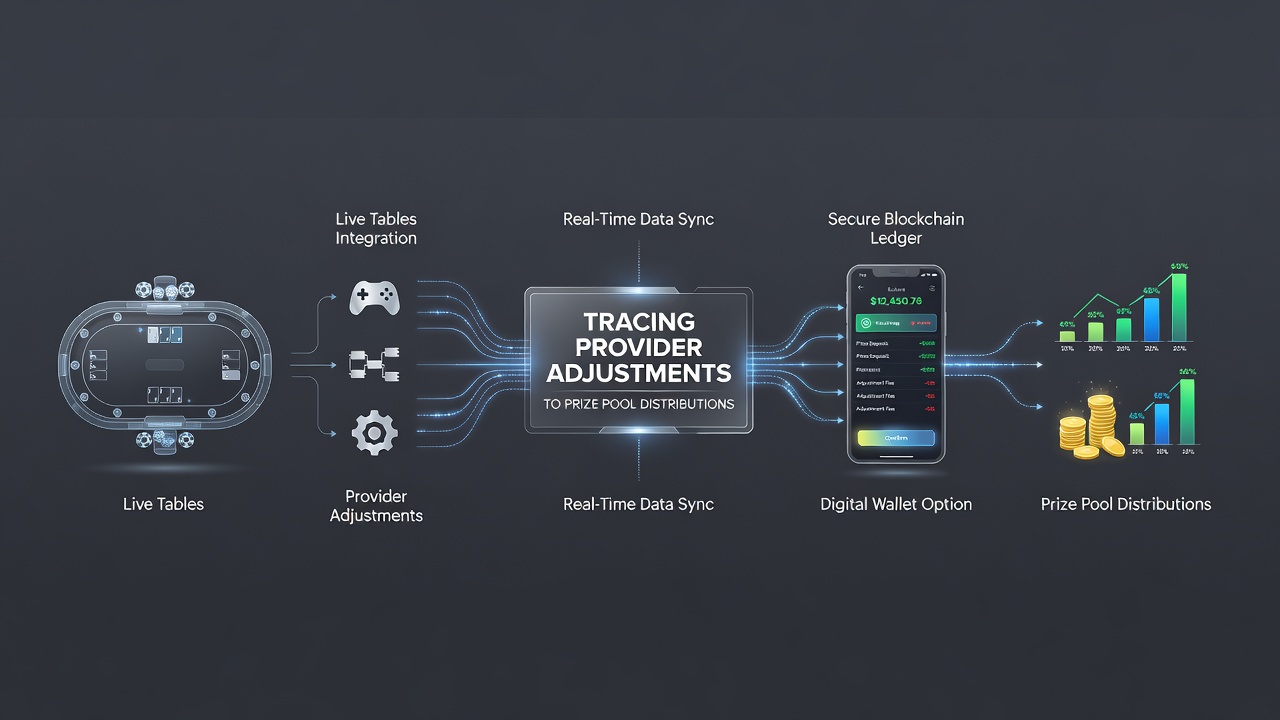
One documented case involved a provider that reduced its contribution rate by 0.3 percent across all live blackjack tables after a wallet partner altered its chargeback window from 24 hours to 72 hours, and similar adjustments appear in filings submitted to multiple oversight bodies. Researchers discovered that these changes protect the integrity of the prize pool by ensuring that disputed transactions do not retroactively reduce the available distribution amount.
Data Reconciliation Practices
Reconciliation engines compare wallet settlement files against live table contribution logs every six hours, and discrepancies trigger an automatic freeze on further pool growth until manual review clears the record. According to reports from the Malta Gaming Authority, such freezes have occurred 14 times across three major operators during the first half of 2026, each time resulting in a temporary redistribution of the affected portion to a reserve fund. Those who monitor these processes note that the frequency has declined since providers implemented predictive algorithms that anticipate wallet processing delays based on historical patterns.
Another layer of adjustment involves currency conversion when digital wallets operate in multiple denominations, because live table prize pools must remain stable in the base currency of the licensing jurisdiction. Conversion rate buffers are recalculated daily, and providers apply these buffers to contribution amounts before they enter the pool to avoid artificial inflation or deflation of the meter.
Future Adjustments on the Horizon
October 2026 brings new interoperability standards that will require providers to expose prize pool adjustment APIs to regulators in near real time, and early testing shows that this change will shorten the current 48-hour adjustment cycle by roughly half. Industry associations have published preliminary guidelines that outline acceptable variance thresholds for wallet-linked contributions, and operators are already updating their middleware to meet these thresholds before the deadline. Evidence suggests that providers who complete these updates ahead of schedule experience fewer reconciliation holds and maintain smoother prize pool growth curves across live table offerings.
Conclusion
Provider adjustments to prize pool distributions continue to evolve as live tables integrate more deeply with digital wallet options inside regulated mobile environments, and the mechanisms described above represent current industry practice. Ongoing regulatory developments scheduled for late 2026 will likely accelerate the pace of these adjustments while demanding greater transparency in how contributions flow from wallet to pool to player. Those tracking the sector can expect continued refinement of technical safeguards and reporting protocols as both technology and oversight frameworks advance.